Valencia · Spain · Ordering Guide
Eating Out in Valencia: What to Order at Any Restaurant
30 June 2026 · 7 min read

Valencia is one of the best food cities in Spain — arguably in Europe — and yet its restaurant menus can be genuinely confusing for anyone who didn’t grow up here. Is this a starter or a main? Is it meant to be shared? What’s the difference between a racón and a tapa? Why does everyone order at 2:30pm?
This guide covers the essential food knowledge you need for Valencia restaurants — and shows how Comerio can scan any Valencia menu and build a complete order plan for your table in about 30 seconds.
The paella situation
If you're in Valencia, you will eat paella. This is non-negotiable. But there are things you need to know.
First: the paella in Valencia is not the paella you've had anywhere else. Valencian paella — the real kind — is rice with chicken, rabbit, and green beans. That's it. No seafood. No chorizo. No mixed anything. If you order "paella valenciana" and chorizo appears, something has gone wrong.
Paella is a lunch dish. If a restaurant is serving it at dinner, they almost certainly made it for lunch and are reheating it. Go to a dedicated paella restaurant at lunchtime, or don't go at all.
The best paella restaurants in Valencia make it to order and ask how many minutes you're willing to wait. The answer is yes, wait. It takes 20 minutes minimum to cook properly and the socarrat — the slightly burned crispy rice at the bottom of the pan — is the whole point.
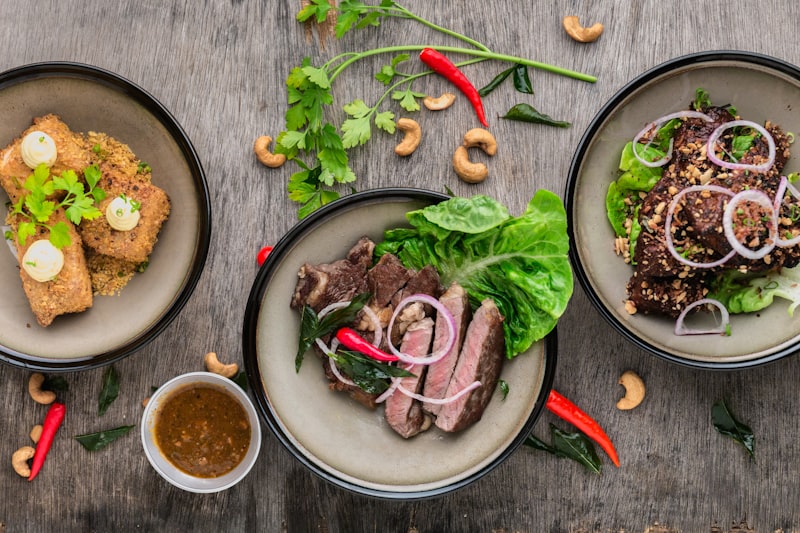
Valencia's food culture is built around sharing and abundance.
Menú del día — the best meal deal in Europe
Monday to Friday, virtually every restaurant in Valencia offers a menú del día — a fixed-price lunch menu for somewhere between €10 and €15. It typically includes:
- A starter (often a choice of two or three)
- A main (often a choice of two or three)
- Dessert or coffee
- Bread
- A drink — house wine, water, or a small beer
This is the meal that locals eat every working day. It's almost always better value than ordering à la carte, and the starter + main combination is usually the kitchen's best current dishes. Always ask for the menú del día at lunch.
The Valencian dishes you shouldn't miss
Beyond paella, Valencia has a food culture worth exploring properly:
All i pebre
A garlicky, paprika-heavy stew from the Albufera region — traditionally made with eel, now often made with monkfish. Deep, warming, complex. Worth seeking out.
Fideuà
Like paella but made with short vermicelli noodles instead of rice. Typically seafood-based. The noodles absorb the stock and the bottom layer crisps up just like socarrat. Order it at lunch.
Bunyols
Small fried dough balls dusted in sugar, eaten during Las Fallas in March but available in some places year-round. More interesting than they sound.
Horchata con fartons
Tiger nut milk served ice-cold with elongated sugar-glazed pastries. It's a snack, not a meal, but you should have it at least once. Go to a horchata bar, not a café.
The unwritten rules of Valencian restaurants
A few things that will make you look like you know what you're doing:
- Lunch is the main meal. Restaurants fill up at 2:30pm. Dinner is lighter and later — nobody eats before 9pm. If you arrive at 7pm expecting dinner, many kitchens aren't open yet.
- The bill doesn't come automatically. You have to ask. Catch the waiter's eye and say "la cuenta, por favor." Leaving money on the table and walking out is not how it works here.
- Bread is charged separately. It appears automatically. It will be on the bill (usually €1–2 per person). If you don't want it, say "no queremos pan, gracias" when you sit down.
- Raciones are bigger than tapas. A ración is a full sharing-plate portion. A tapa is a small bite. A media ración is in between. For a table of two, 2–3 raciones is a full meal.
When the menu is in Valencian (not Spanish)
Valencia is a bilingual city — Valencian (a dialect of Catalan) and Castilian Spanish are both official languages. Many menus, especially in traditional restaurants and market bars, are written in Valencian. It's similar enough to Spanish that you'll recognise some words, but different enough to cause confusion.
Some useful conversions: arròs = arroz (rice), carn = carne (meat),peix = pescado (fish), marisc = marisco (seafood), fesols = alubias (beans). Most places will have at least one person who speaks enough English to help — but having a tool like Comerio to scan and interpret the menu takes the guesswork out entirely.
Scanning a Valencia menu with Comerio — what it looks like
Take a typical Valencia market bar menu — written in Valencian, two columns of dish names and prices, no descriptions. Scan it with Comerio.
Comerio reads the whole menu — every dish, every price, every section — and builds a complete table plan. For a table of two who want a full lunch (food and a glass of wine):
Comerio table plan — 2 people, full lunch
1× All i pebre
Garlicky eel/monkfish stew — the Albufera classic. Share as a starter.
1× Arros al forn
Oven-baked rice with pork ribs and chickpeas. Rich, earthy, Valencian.
1× Vi de la casa (tinto)
House red, carafe. Pairs well with the rice.
Estimated total: ~€28
That plan took 30 seconds to generate. Comerio knows that all i pebre is a sharing starter, that oven rice is a full main for one, and that a carafe of house wine is the right call for this kind of bar.
Eating out in Valencia? Try Comerio
Scan the menu. Get recommendations in 30 seconds. Works on every restaurant in the city.
Try Comerio →